
Why there is no price list
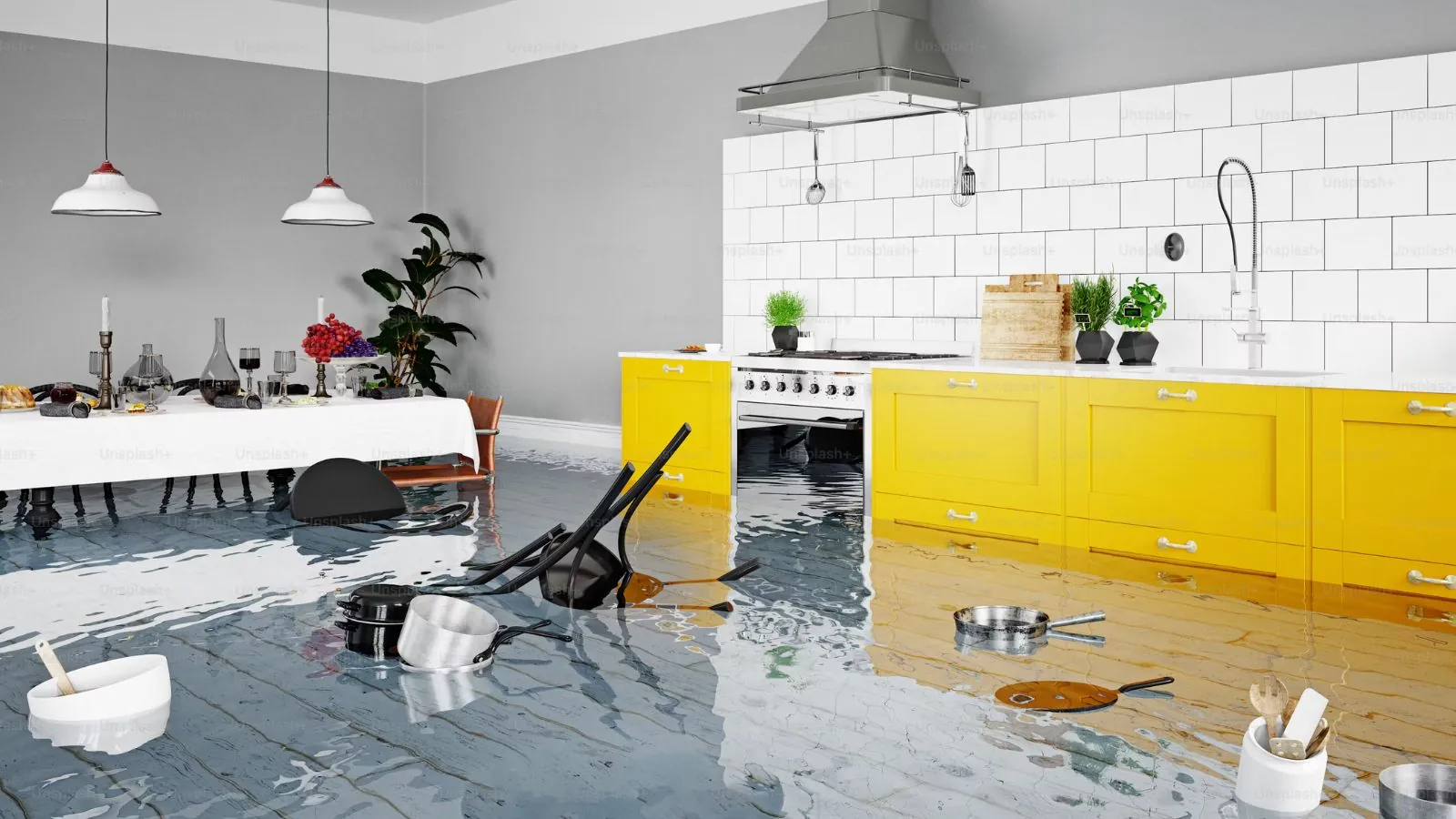
Two leaks that look the same on the day can differ by a factor of ten in cost. A supply line that ran for twenty minutes onto tile is a mop and a dehumidifier. The same line running for a weekend into a finished basement is extraction, removal, a week of drying and a rebuild.
So this guide does not pretend to give you your price. It gives you a published national range for context, the factors that move a job up or down, and a way to read an estimate.
A published national range, for context only
Angi's national cost guide, based on its 2025 data, puts the typical range for water damage restoration at about $1,361 to $6,282, with a national average of around $3,822. It reports small jobs from about $450 and large ones up to roughly $16,000.
Treat those as national survey figures. They are not our prices, they are not a quote, and they are not specific to Rockland County. We have no published local price data, and we will not invent any. Your own figure comes from an assessment of your own loss.
The five things that set the price
| Factor | Lower cost | Higher cost |
|---|---|---|
| Water category | Clean supply water | Grey water, sewage or flood water |
| Area affected | One room, one surface | Several rooms, more than one level |
| Materials | Tile, concrete, sheet goods | Hardwood, plaster, cabinets, insulation |
| Time before drying started | Hours | Days |
| Rebuild needed | Dry in place, repaint | Replace drywall, flooring, cabinets |
The same guide illustrates the category effect with per-square-foot figures: about $3.50 for clean water, $5.25 for grey water and $7.50 for black water. Again, those are national illustrations, not a rate card.
Mitigation and repair are two bills
Most water losses have two parts, and it helps to think of them separately.
Mitigation is the emergency work: extraction, removal of unsalvageable material, drying and monitoring. It is priced by labour, by equipment per day and by the area involved. This is the part that cannot wait.
Repairs come after the structure is dry: drywall, paint, flooring, trim, cabinets. This is ordinary building work and can be scoped and compared at leisure.
An estimate that blurs the two is hard to check. Ask for them as separate sections.
How to read an estimate
- 1
Check the wet area
Does the measured area match what you saw, plus what the meter found?
- 2
Check the category
Is the water classed as clean, grey or contaminated, and does that fit the source?
- 3
Check the removal
What comes out, and is there a reason given for each item?
- 4
Check the equipment
How many air movers and dehumidifiers, for how many days?
- 5
Check the monitoring
Are return visits and readings included?
- 6
Check the exclusions
What is not in the price, such as plumbing, roofing or the rebuild?
Many restoration estimates are written in line-item software that insurers also use, so the format can look dense. Every line should still be explainable in a sentence. If it is not, ask.
What makes a job cost more than it had to
Delay is the big one. Water that sits turns dryable materials into removable ones, and removal is followed by rebuilding. The second is incomplete drying: a job stopped early, then reopened weeks later when the smell or the swelling returns. The third is hidden spread, such as a wet ceiling below that nobody checked.
All three have the same answer: a proper assessment at the start. The first hours are covered on our water extraction page.
Where insurance fits
If the loss is covered, the insurer pays for reasonable mitigation and repair, less your deductible. Sudden and accidental damage is often covered, gradual leaks often are not, and flood usually needs separate coverage. Check your policy or ask your insurer.
A covered loss does not mean cost is no object. The insurer's adjuster writes their own estimate, and differences between it and the contractor's scope get resolved line by line. Moisture readings and a drying log are what justify the drying days.
Cost factors that are specific to Nanuet
We cannot give a local price, but we can name the local conditions that push a Nanuet job one way or the other.
Finished basements raise the scope. When a below-grade room has carpet, drywall and insulation, a few inches of water means removal as well as drying. A New York State DEC study lists four high-risk flood areas in Nanuet on the Nauraushaun Brook system, and brook or ground water is treated as contaminated, which adds cleaning and disposal.
Shared buildings add coordination. Nanuet had 6,976 housing units at the 2020 census, many of them in garden-apartment and condominium communities, where a leak can involve two or three units and more than one insurance policy.
Permits can add time. For rebuild work, ask the Town of Clarkstown Building Department whether a permit is needed, since rules vary by the work.
Questions to ask before you agree a price
- Is this figure for mitigation, repair or both?
- What would make it go up, and will you tell me before it does?
- How many days of equipment are assumed?
- What happens if readings show it is dry sooner?
- What paperwork will I get at the end?
Paying for it
If insurance is involved, ask how the contractor expects to be paid and when. If you are paying yourself, ask for the scope in writing and pay against stages of work. Be wary of anyone who says you will owe nothing whatever the insurer decides. No contractor controls that.
For the drying part of the job, see structural drying and dehumidification. We assess losses in Nanuet and nearby West Nyack and Blauvelt.
Want a real number for your home? It comes from an assessment, with scope and pricing explained before work starts.
Call (833) 521-1033Restoration cost questions
Does water damage restoration cost more in Nanuet than the national figures?
We have no published local data to say. Labour and disposal costs in the New York area are generally above the national middle, but the main drivers are still the category of water, the area and the materials. An assessment of your own loss is the only reliable figure.
Is the assessment itself a commitment?
No. The assessment produces the scope and explains the pricing. You decide whether to go ahead before any work starts.
Why did two companies give very different figures?
Usually because the scopes differ: one includes more removal, more drying days or the rebuild. Compare line by line.
Does drying equipment get charged per day?
Commonly, yes. Each machine has a daily rate, which is why the drying log matters. It shows the days were needed.