
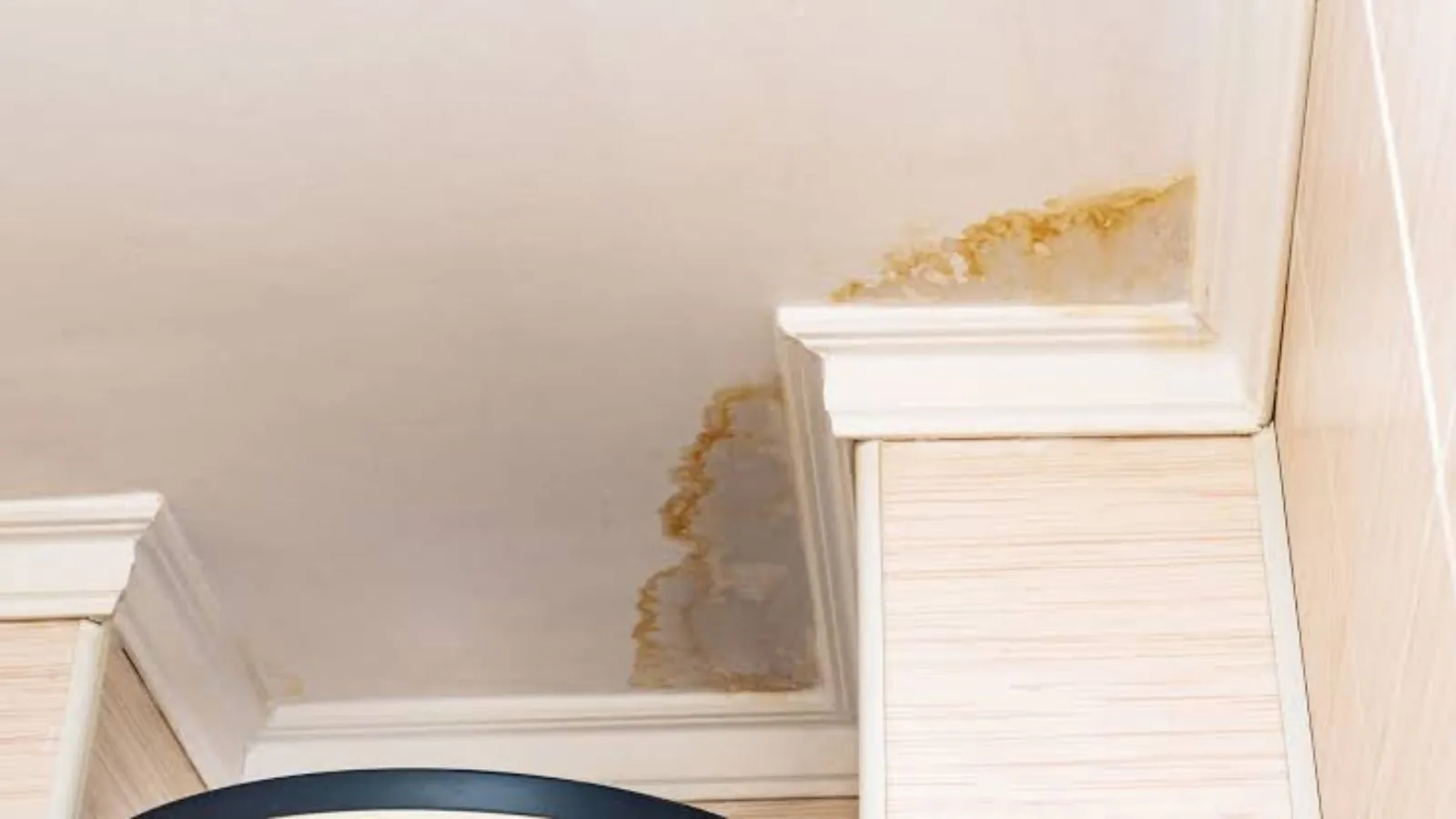
Wall and drywall water damage repair covers the vertical surfaces of a room: drywall or plaster, the insulation and framing behind it, and the baseboards at the bottom. Walls get wet from a pipe inside them, from a ceiling leak running down, from a floor leak wicking up, or from outside through siding and windows.
In Nanuet homes the first signs are small. Paint bubbles, a baseboard pulls away, a patch feels soft when pressed, or a stain grows near the floor.
The scenarios we hear most
Callers describe a saturated wall behind a master bathroom, a kitchen wall wet from a siding leak, a soft spot that became a hole, and garage drywall that got soaked and needs replacing. Bathrooms and kitchens are the common locations because the plumbing is there.
Much of the time the wall is the second victim. The source was a burst supply line or an overflow, and the wall soaked it up.
How drywall takes on water
Drywall is gypsum between two paper faces. The paper draws water upward by capillary action, so a wall standing in half an inch of water can be wet a foot or more up. The gypsum softens and loses strength when saturated. The paper is also a food source for mold if it stays damp, since mold needs moisture and something to grow on.
Behind the board, fibreglass insulation in outside walls holds water against the studs. Baseboards trap moisture at the bottom edge. Older plaster walls behave differently: plaster is denser, wets more slowly and often survives a single wetting. Nanuet's housing was built over many decades, so we check which you have before deciding anything.
Is the wall wet? Quick checks
What to look for
- Paint that bubbles, peels or looks darker in a patch
- Baseboards swollen, stained or separating from the wall
- A soft or crumbly feel when pressed gently
- A tide line or yellow-brown stain
- A musty smell that is stronger near one wall
- Outlet covers or trim with water marks
How walls are dried and repaired
- 1
Meter the wall
Pin and pinless meters read the board and the framing. A thermal camera shows the wet outline.
- 2
Scope and price explained
You hear whether the wall can be dried closed, vented or opened, and how it is priced.
- 3
Remove baseboards
This exposes the bottom edge, where most of the water sits.
- 4
Vent or cut
Small holes behind the baseboard line let air into the cavity. If the board is soft or insulation is soaked, a flood cut removes the bottom section.
- 5
Dry
Air movers and a dehumidifier run until studs, plates and remaining board read dry.
- 6
Rebuild
New insulation, drywall, tape, finish, primer and paint. Baseboards are reinstalled or replaced.
Damage should be assessed before new materials go in. Closing a wall over damp framing is how repeat problems start, so we show you the readings first.
Wall soft or stained? Call for a moisture assessment before it spreads.
Call (833) 521-1033Dry in place or cut out?
| Condition | Usual approach | Why |
|---|---|---|
| Clean water, wet under a day, board firm | Remove baseboard, vent, dry in place | Gypsum has kept its strength |
| Board soft, sagging or crumbling | Cut out and replace | It will not regain strength |
| Insulated outside wall, cavity wet | Flood cut and remove insulation | Insulation will not dry in place |
| Contaminated water touched it | Cut out above the water line | Porous and cannot be disinfected |
| Plaster, stained but hard | Dry and refinish | Plaster tolerates wetting better |
Cost factors
Scope and drying on this service follow the ANSI/IICRC S500 standard for water damage restoration.
Sudden leaks are often covered by homeowners insurance, and long-term seepage often is not. Check your policy or ask your insurer. We provide photos, moisture readings and an itemised scope.
For the overall drying method see structural drying and dehumidification, and for kitchens see kitchen water damage restoration. We repair walls in Nanuet and in Valley Cottage, West Nyack, Pearl River, Blauvelt and Nyack.
Safety guidance: do not touch wet outlets, switches or cords. Switch off the affected circuit only from a dry panel, and call the utility if you are unsure.
Wall and drywall water damage questions
Does wet drywall always need to be replaced?
No. Drywall wet briefly with clean water, still firm and flat, can often be dried in place. Soft, swollen or contaminated drywall is replaced.
How do I know if water is inside the wall?
A moisture meter reads through the surface, and a thermal camera shows cool damp areas. Signs you can see include bubbling paint, swollen baseboards and stains.
Can you match my existing wall texture and paint?
Texture can usually be matched closely. Paint blends cleanly when the whole wall is repainted corner to corner, which we recommend.
Is a wet wall an emergency?
If the source is still running, yes. Shut off the water and call. The line is answered 24/7. A wall that got wet and stopped still needs drying within days.