
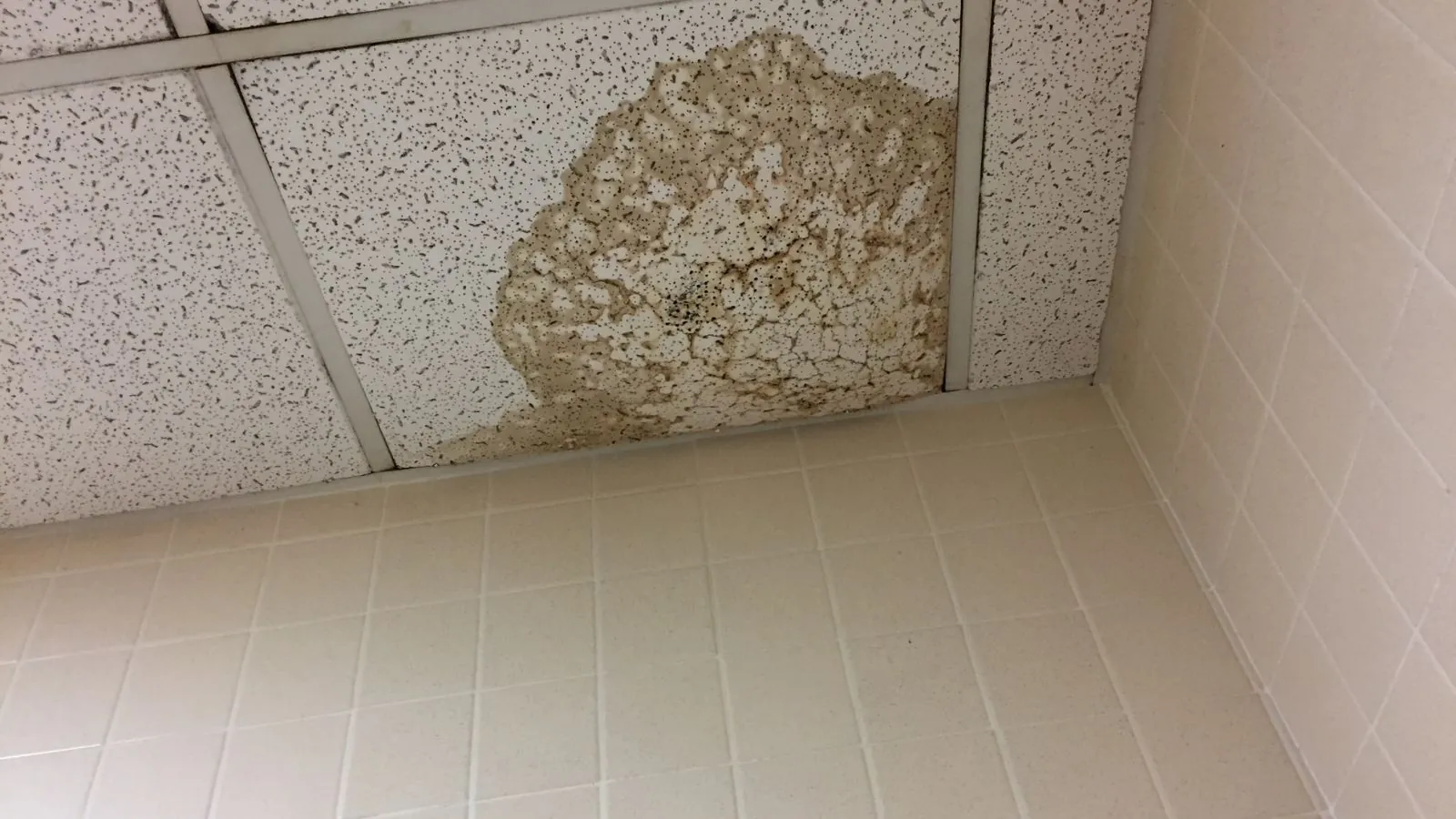
Before the paperwork: three things that cannot wait
A claim is a record of what happened. The record is strongest when it starts in the first hour. But three actions come before any form.
First, make the house safe. If water is near electrics, stay out and call the utility. Second, stop the source: close the fixture valve or the main. Third, take photos and video before you move or mop anything, provided it is safe to be in the room.
Only then does the claim begin.
The steps, in order
- 1
Notify your insurer
Call the claims number or use the insurer's app. Give the date, the cause as far as you know it and the rooms affected. Write down the claim number and the name of the person you spoke to.
- 2
Mitigate
Start extraction and drying. Policies generally require reasonable steps to prevent further damage. Keep receipts.
- 3
Document the scene
Wide shots of each room, close-ups of damage, the source, the water line on walls, and serial plates of damaged appliances.
- 4
Keep the evidence
Hold on to the failed hose, valve or pipe section. Do not throw away damaged items until the adjuster has seen them or agreed to photos.
- 5
List the contents
Room by room: item, rough age, what you paid if you know.
- 6
Get the professional record
Moisture readings, a drying log and an itemised scope of work from the restoration crew.
- 7
Meet the adjuster
Walk them through with your photos and the scope. Ask what else they need and by when.
- 8
Track everything
Keep a simple log of calls, emails, visits and promises with dates.
What a good photo set looks like
Adjusters see hundreds of claims. Clear photos make yours easy to understand. Take each room from the doorway, then each wall, then the damage close up with something for scale. Photograph the source: the split in the pipe, the hose end, the stain's centre. Photograph the ceiling below and the room next door, even if they look dry. A short video walking the route the water took is worth a lot.
Date stamps matter. Most phones record them automatically. Do not edit the originals.
The professional documents, explained
| Document | What it is | Why the insurer wants it |
|---|---|---|
| Moisture map | Readings on walls, floors and ceilings showing the wet area | Shows the true extent, beyond visible staining |
| Dry standard | Readings from unaffected materials in the same house | Gives the target for drying |
| Drying log | Repeated readings over days | Shows the drying was needed and when it finished |
| Itemised scope | Line-by-line list of work and materials | Lets the adjuster compare against their own estimate |
| Photo report | Before, during and after | Ties the work to the damage |
The method behind these comes from the ANSI/IICRC S500 standard for water damage restoration. Our structural drying page explains how the readings are taken.
Common mistakes
- Throwing out damaged materials before anyone has recorded them.
- Waiting days for the adjuster while the house stays wet.
- Guessing at the cause on the first call. Say what you saw. If you do not know the cause, say so.
- Starting permanent repairs before the insurer has agreed the scope. Emergency drying is different from rebuilding.
- Losing track of who said what. A notebook solves this.
Large losses and special cases
Some losses are bigger than a room. A leak that ran for days in a vacant house, or a break so large the water utility shut the service off, needs room-by-room documentation and often a longer drying plan. Tell the insurer early that the loss is large, and ask whether they want to inspect before any materials are removed. If the home cannot be lived in, ask what your policy says about additional living expenses.
Ceiling collapses and multi-floor leaks should be photographed from every level. Our ceiling water damage repair page covers the safety side.
Local notes for Nanuet claims
Nanuet is in the Town of Clarkstown, so questions about building permits for the rebuild go to the Town of Clarkstown Building Department. Permit rules vary with the work, so ask before permanent repairs begin. An adjuster may ask whether permits were needed.
If the loss involved rising water, the cause matters greatly to the claim. A New York State DEC study identifies four high-risk flood areas in Nanuet along the local brook system, and FEMA's Rockland County flood maps date from 2014. Note in your records where the water entered and how high it reached, with photos of the water line.
Water in Nanuet is supplied by Veolia Water New York. If the utility attended or shut off your service, record the date and any reference number, because it helps establish the timeline.
If you and the insurer disagree
Disagreements about scope are common and usually resolved by comparing line items. Ask for the adjuster's estimate in writing and set it beside the restoration scope. Differences are often about how much material needs to come out or how many days of drying were justified, and readings answer both. For a dispute you cannot resolve, your state's insurance regulator handles consumer complaints. We do not act as claim negotiators.
We document losses for homeowners in Nanuet and in nearby Blauvelt and Valley Cottage.
Need the loss documented? Moisture readings and an itemised scope are part of every assessment.
Call (833) 521-1033Claim documentation questions
Do I need a permit in Nanuet to repair water damage, and does it affect my claim?
It depends on the work. Like-for-like finishes may not need one, while structural, electrical or plumbing work often does. Ask the Town of Clarkstown Building Department before rebuilding, and keep any permit paperwork with your claim file.
How soon do I have to report a water damage claim?
Policies say promptly. In practice, report on the day you find it or the next. Late reporting gives an insurer a reason to question the loss.
Can the restoration crew talk to my adjuster?
Yes, to explain the readings and the scope. Decisions about coverage and payment stay between you and your insurer.
What if I already threw away the damaged carpet?
Tell the adjuster, and give them any photos you took before it went. In future, keep a cut sample of carpet and pad.